Facial Cleansing Oil vs Gentle Cleanser, Which Wins?
Facial cleansing oil vs gentle cleanser: see which suits your skin, how each feels, and a simple routine to try. Includes a side-by-side comparison table.
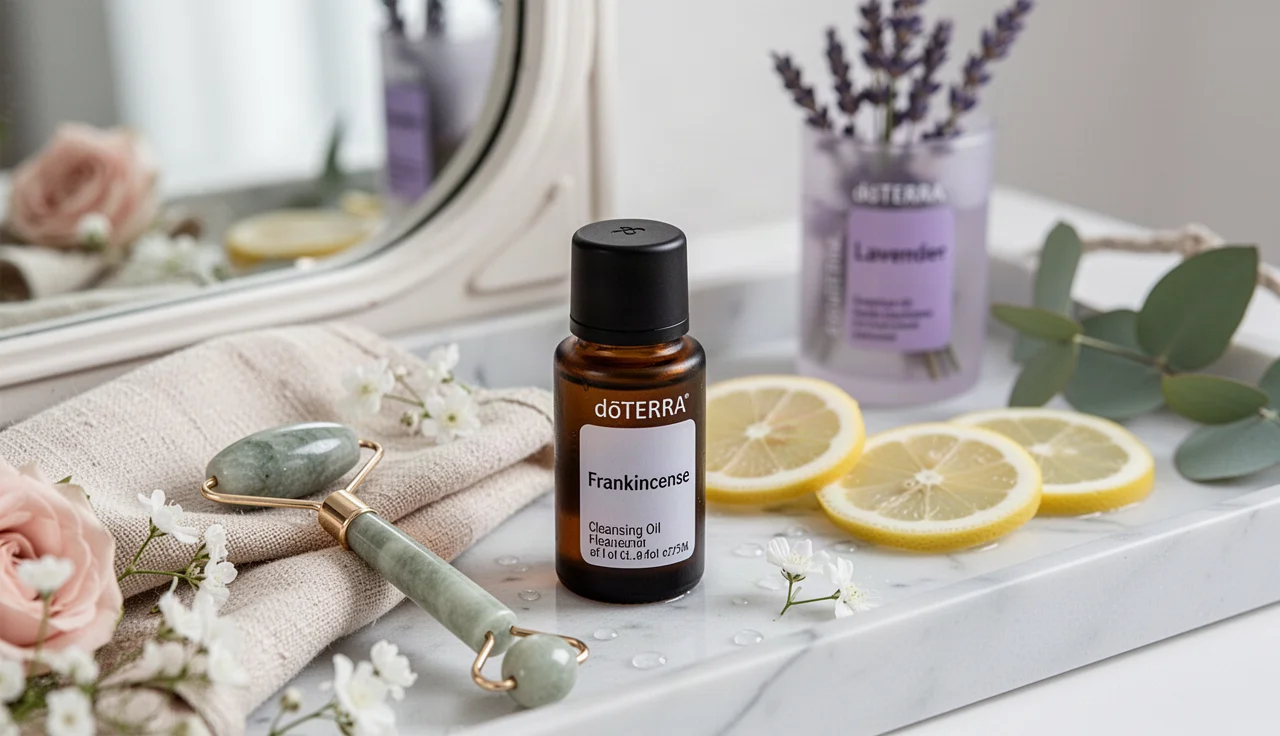
By the VitalResin Team — Skincare & doTERRA enthusiasts
Ever finished washing your face and felt that tight, squeaky sensation, then wondered if you picked the wrong product? That feeling is usually the clue. The honest answer: a cleansing oil suits you if you wear sunscreen or makeup daily and your skin leans dry or normal, while a gentle cleanser suits you if your skin feels oily, shiny or easily weighed down. Oil cleansers dissolve oil-based residue by working like with like, and they tend to leave skin feeling soft and cushioned. Gentle cleansers rinse away sweat, dust and surface oil with a lighter, fresher finish. Neither is "better" across the board. Many people use the oil in the evening and the gentle cleanser in the morning, which is the setup we reach for most often. If you want a deeper look at one alternative, our guide to facial cleanser or micellar water for daily care covers the next step in the cleansing ladder.
How They Compare, Side by Side
| Criteria | Facial Cleansing Oil | Gentle Cleanser |
|---|---|---|
| Best for skin that feels | Dry, normal, or tight after washing | Oily, shiny, or easily congested-looking |
| Removing sunscreen and makeup | Excellent, melts it away | Good for light wear, may need a second pass |
| After-feel | Soft, cushioned, slightly dewy | Fresh, clean, light |
| Rinse effort | Needs thorough rinsing or a warm cloth | Rinses quickly |
| Texture on skin | Slippery, richer | Gel, cream or light foam |
| Main downside | Can leave a film if rinsed poorly | Can feel stripping if the formula is harsh |
| Best time of day | Evening | Morning, or as a second cleanse |
The table shows the real trade-off. Oil is generous and forgiving but asks more of your rinsing technique. A gentle cleanser is quick and tidy but can disappoint when you are removing long-wear makeup or water-resistant sunscreen.
Which Should You Choose If...
You wear makeup or sunscreen every day. Start with a cleansing oil in the evening. It lifts oil-based residue in one pass, so you rub less and your skin feels calmer afterward.
Your skin feels oily by midday. Choose a gentle cleanser. A heavy oil can feel like too much, and a light gel gives you a clean slate without a coated finish.
Your skin feels tight or dull after washing. Try oil first. A cushioned cleanse often leaves skin looking softer and more radiant.
You are short on time. A gentle cleanser wins. It is one step, quick to rinse, and easy to keep up on rushed mornings.
You want the most thorough evening routine. Use both: oil first, gentle cleanser second. This double cleanse is popular because each step has a different job.
Here is how to do it:
- Apply a few drops of cleansing oil to dry hands and dry skin.
- Massage gently for 30 to 60 seconds, including around the eyes if the formula allows.
- Add a splash of warm water until it turns milky, then rinse well.
- Follow with a gentle cleanser on damp skin.
- Pat dry with a clean towel and apply your moisturizer.
Both options have flaws worth knowing. Oil can feel greasy if you skip the rinse, and not everyone enjoys the slippery texture. Gentle cleansers vary a lot in quality, and a harsh one can leave skin feeling stripped, which defeats the "gentle" label. For the lighter side of that spectrum, see our piece on a gentle cleanser for soft, smooth skin.
Where Essential Oils Fit In
Essential oils are not a replacement for a cleanser, but they can add a spa-like touch to a routine. Many people enjoy the look and feel of botanical skincare built around Frankincense for a radiant-looking complexion, and Lavender for a calming evening ritual. Helichrysum and Geranium are also popular in beauty routines, and Roman Chamomile pairs nicely with a soothing evening wind-down.
A few safety notes matter here. Always dilute essential oils in a carrier oil before they touch your skin; around 1% (about 1 drop per 5 ml of carrier) is the usual starting point for the face. Jojoba is a good facial carrier because it is a liquid wax that sits lightly on skin. Do a patch test on your inner elbow and wait 24 hours before first use. Citrus oils such as Lemon, Wild Orange and Bergamot are photosensitive, so avoid direct sun for about 12 hours after applying them to skin. For general background on skin and sun safety, the NIH is a reliable starting point.
If you want to explore the wider range, the doTERRA Essential Skin Care line is one place to browse, and Yarrow Pom is a well-known name in it. Members get a 25% discount off the retail price, and registration is free with no kit required; the annual membership fee is waived on orders over 150 PV.
FAQ
Will a cleansing oil make my skin look oilier? Not if you rinse it properly. The oil binds to surface residue and washes away with warm water, and a quick second cleanse with a gentle cleanser removes any leftover film. If your skin already looks shiny by midday, start with a lighter gel cleanser instead.
Can I use a gentle cleanser alone and skip the oil? Yes. If you wear little makeup and a light sunscreen, a gentle cleanser is usually enough for both morning and evening. Add the oil only when you have heavier makeup or water-resistant sunscreen to remove.
Is it okay to put essential oils directly into my cleanser? We don't recommend it. Essential oils are potent, and adding them straight to a cleanser can irritate skin. If you want the botanical touch, dilute to about 1% in a carrier like jojoba, patch test first, and use it as a separate step.
In short, pick the cleansing oil for evening makeup and sunscreen removal and for skin that feels dry, and pick the gentle cleanser for oily skin and quick mornings. Use both together when you want the most thorough routine.
This content is for general information only and is not medical advice. Essential oils are not intended to diagnose, treat, cure, or prevent any disease; consult a qualified healthcare professional before use.