doTERRA Skincare Kit Review, Worth It or Not?
Our honest doTERRA skincare kit review: what's inside, pros and cons, who it suits, and whether the member price makes it a smart buy. A practical guide with.
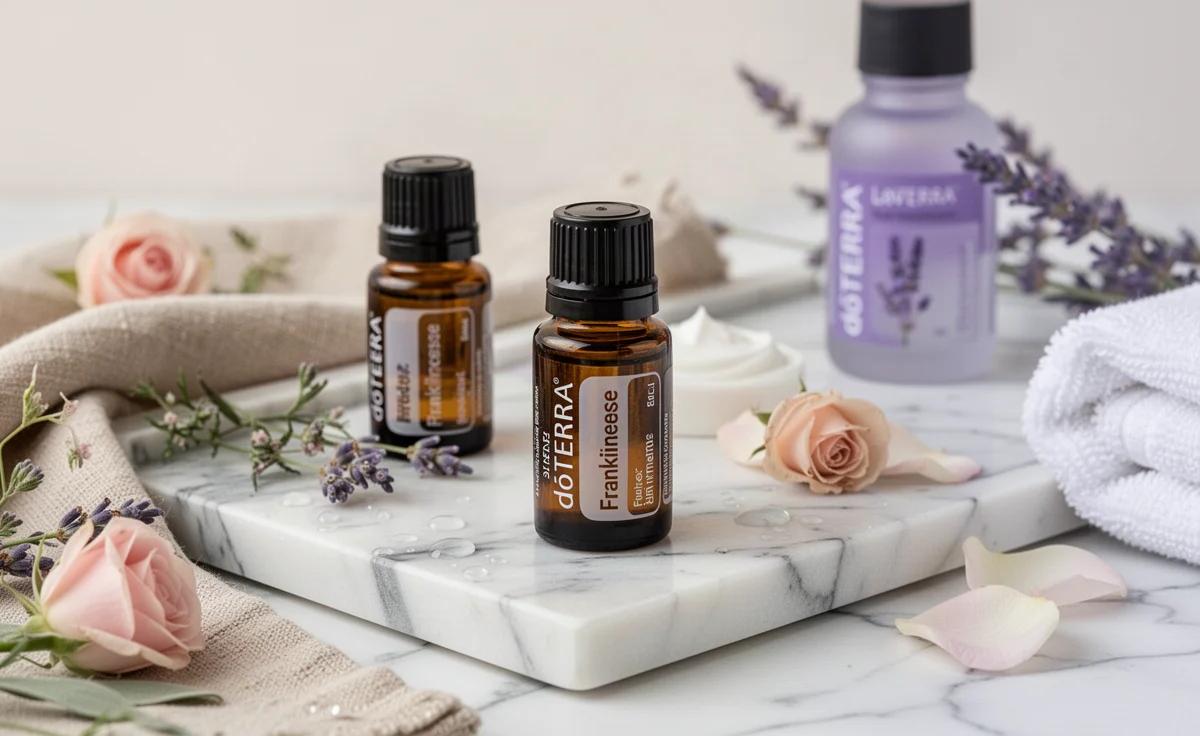
By the VitalResin Team — Skincare & doTERRA enthusiasts
Maybe you've seen the kits in a friend's bathroom cabinet or spotted one online and wondered if the bundle is actually a better deal than buying oils individually. That's a fair question, because doTERRA offers several kits and not all of them suit the same person. Our verdict after looking at the composition, the labels and the way real users describe these products: the skincare-focused kits are worth it if you want a complete botanical routine in one box, and less interesting if you already own most of the oils inside.
This is our honest doTERRA skincare kit review. We'll look at what you get, what holds up and what doesn't, so you can decide if the member price feels fair for your shelf.
What doTERRA Skincare Kits Actually Include
doTERRA doesn't sell one single "skincare kit." Instead, the brand builds routines around collections, and the closest thing to a true skincare starter is the Essential Skin Care line, which pairs botanical oils with a gentle daily ritual. The kit format usually bundles a cleanser or scrub, a toner or mist, and a moisturizer, sometimes with a hero oil like Frankincense or Lavender.
A typical kit also leans on blends designed for the look of healthy skin. The Veráge collection, for example, uses a mix of botanical extracts aimed at a fresh, even-looking complexion. Around it, you'll often find Yarrow|Pom, a fruit-and-botanical oil that many people layer under moisturizer, or Immortelle, a blend with a loyal following among those who want to soften the look of fine lines.
Pros and Cons at a Glance
Here's what stands out, and what doesn't.
Pros
- Complete routine in one purchase: cleanser, moisture and a botanical oil together
- Member price applies to the whole kit, usually 25% off retail
- CPTG testing standard on every oil, which means batch-specific purity testing
- Good introduction to Tea Tree, Frankincense and Geranium without buying full sizes separately
- The kits often exceed 150 PV, so the annual membership fee is typically waived
Cons
- No single "skincare kit" exists, so comparing bundles requires reading each box carefully
- Kits favor doTERRA's own bases; you still need your own carrier oil for dilution
- If you already own three or four of the included oils, the bundle loses value
- Some users find the citrus-heavy kits less practical for daytime facial use
One honest limitation worth naming: a kit is only a good deal if you'll use most of what's inside. If you're only curious about one oil, a single bottle is smarter.
How We Evaluate a Skincare Kit
Rather than listing ingredients we can't verify, we judge a kit by four practical questions. In our experience, these matter more than branding.
| Criterion | What to look for |
|---|---|
| Routine coverage | Does it include cleanse, tone and moisturize, or only oils? |
| Facial dilution | Are the oils already in a base, or do you need a separate carrier? |
| Value vs. singles | Does the kit price beat buying the included oils separately at member price? |
| Daytime usability | Are citrus oils present, and if so, is the kit labeled for evening use? |
A numbered, step-by-step way to assess any kit before buying:
- List every product inside the box, including sizes.
- Check how many you already own or would realistically use weekly.
- Note which oils are photosensitive, like Bergamot or Grapefruit.
- Compare the kit's member price against buying the same items separately.
- Ask whether the kit matches your skin's current feel, not a future ideal.
When a kit includes citrus oils, we recommend using them in the evening and avoiding direct sun for about 12 hours after topical application. Always dilute essential oils in a carrier before they touch your face. A 1% dilution, roughly 1 drop per 5 ml of a carrier like jojoba, is a sensible starting point for facial use. Jojoba works well on the face because it's a liquid wax that doesn't clog pores, while fractionated coconut oil is better suited to body massage.
What the Kits Do Well
The strongest argument for a kit is coherence. Instead of guessing which oils pair well, you get a sequence designed to work in order. Many kits include Geranium for a balanced look, Lavender Touch for convenient roll-on use, and a gentle staple like Copaiba.
The doTERRA Natural Solutions Kit is another entry point, though it leans broader than skin alone. If you want a beauty-only routine, the Essential Skin Care line is the cleaner fit.
FAQ
Do I need to buy a kit to get the doTERRA member price?
No. Registration is free and you can add any product to your cart without a kit. The member price simply follows your account.
Is the doTERRA skincare kit good for sensitive skin?
Many of the included oils are considered gentle, but individual reactions vary. A patch test with one drop diluted in a carrier, left on the inner elbow for 24 hours, is the responsible first step.
Which doTERRA kit is best for a pure skincare routine?
The Essential Skin Care line and the Veráge collection are the most skin-focused. General kits often include oils for other uses, which can reduce the value if you only want facial care.
Can I use the kit's oils directly on my face?
Essential oils should not be applied neat. Dilute them at about 1% in a carrier oil like jojoba before facial use, and avoid sun exposure after applying citrus oils.
Who Should Buy a doTERRA Skincare Kit
Choose a kit if you're starting from zero, want a complete botanical routine in one box, and prefer doTERRA's pre-selected pairings over building your own. The member discount also makes the first purchase feel less like an experiment.
Skip it if you already own several of the included oils, only want one or two products, or prefer choosing every single oil yourself. A kit rewards consistency, not curiosity.
This content is for general information only and is not medical advice. Essential oils are not intended to diagnose, treat, cure, or prevent any disease; consult a qualified healthcare professional before use.